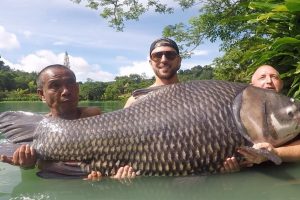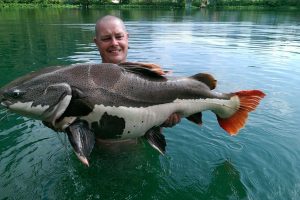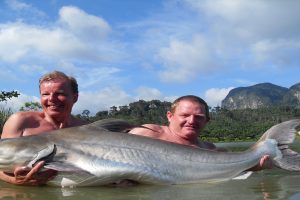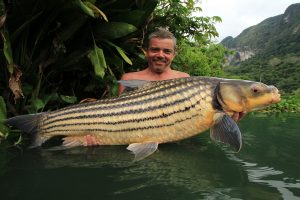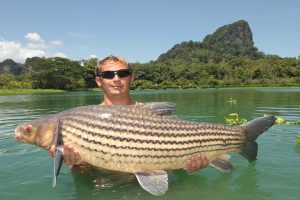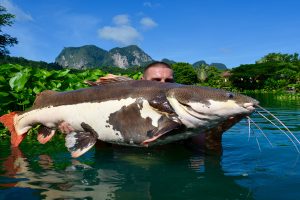
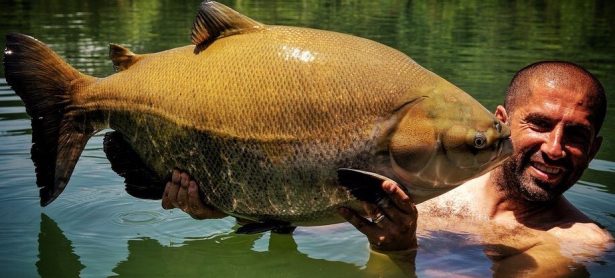
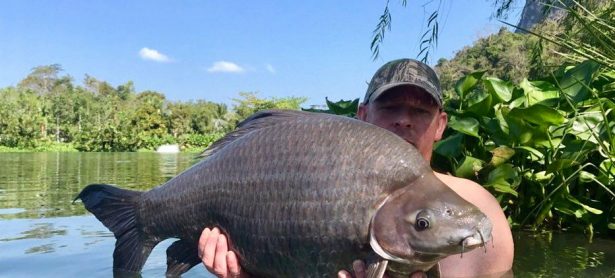
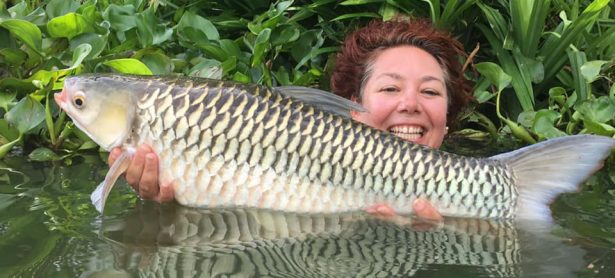
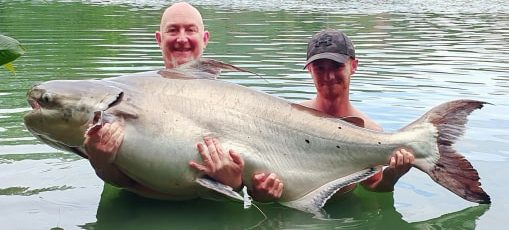
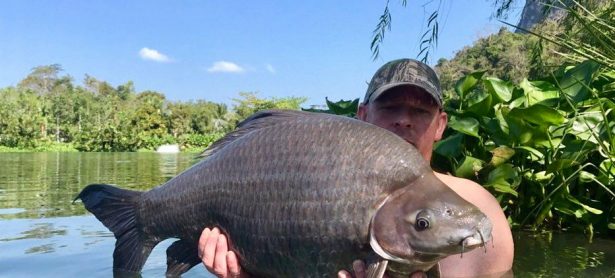
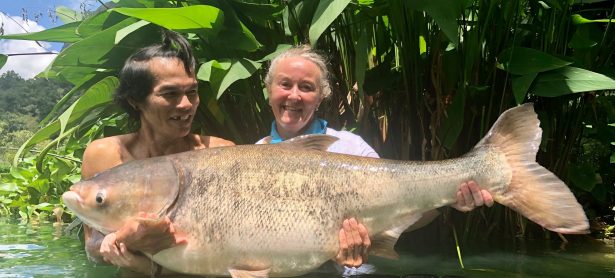
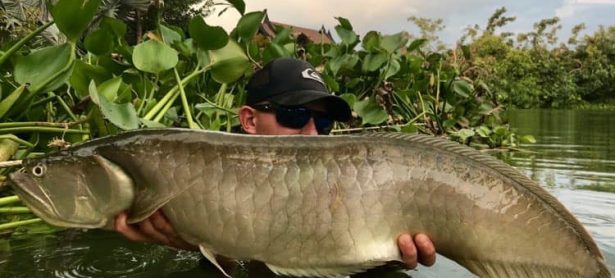
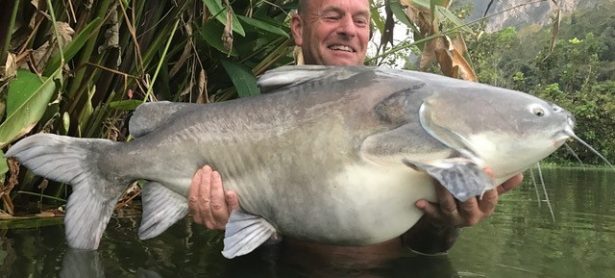
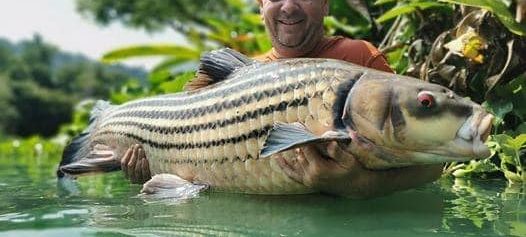
 Name: Black shark carp (black shark minnow).
Species: Labeo chrysophekadion.
Thai name: Pla ka.
Max length: 1m.
Max weight: 12kg (25lb).
IGFA record: 13lbs.3ozs-6kgs.
Diet: Water plants, banana, vegetables, insects, shrimp and boilies.
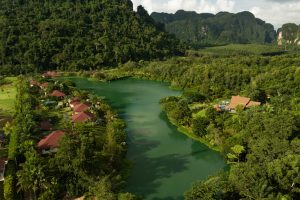
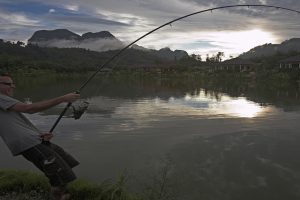
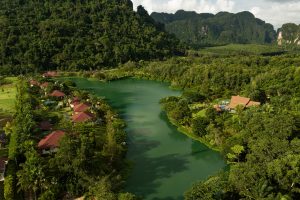
To fish for our black shark carp, we suggest fishing the entrance to the top bay at Gillhams, as the black shark carp prefers depths up to 4m. Being a greedy, ferocious feeder of the carp family this fish moves onto large beds of bait. Fish with our ground maize mix groundbait laced with whole maize, and add fruit or cream flavour in conjunction with a Richworth method feeder with maize as your hookbait. When targeting these fish you will also pick up all our carp species and Mekong catfish.
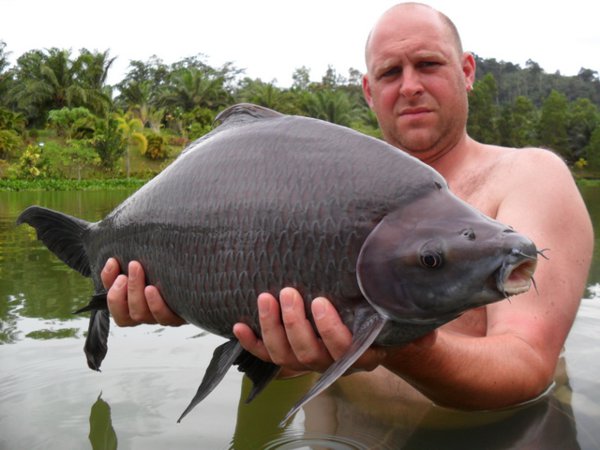
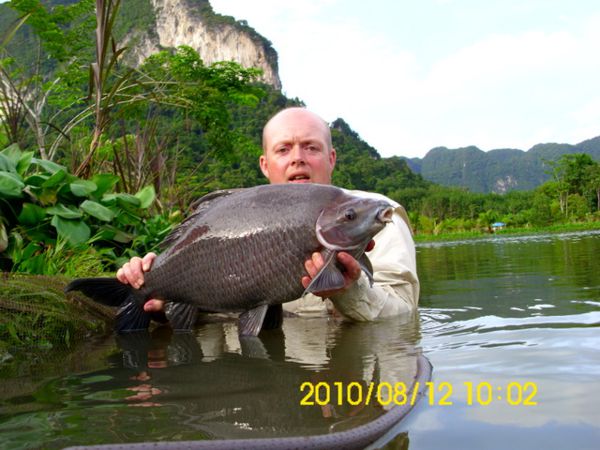
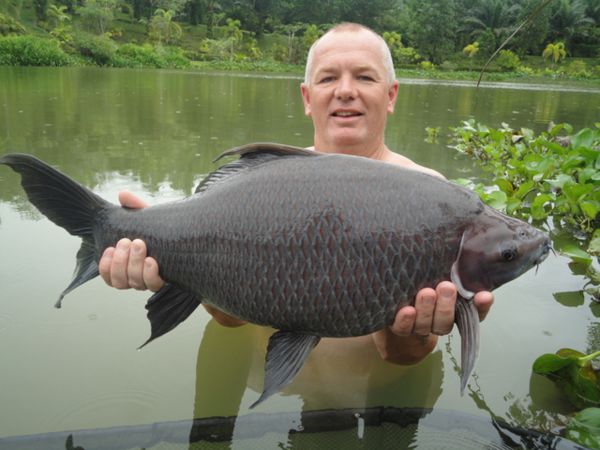
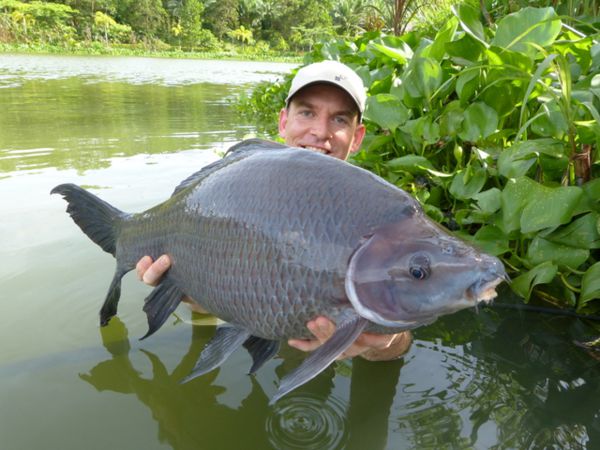
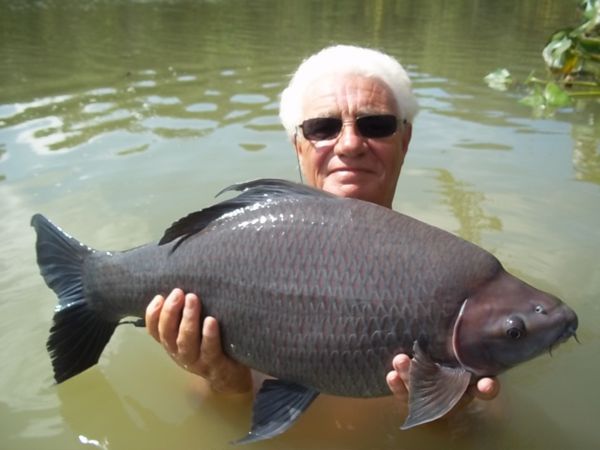
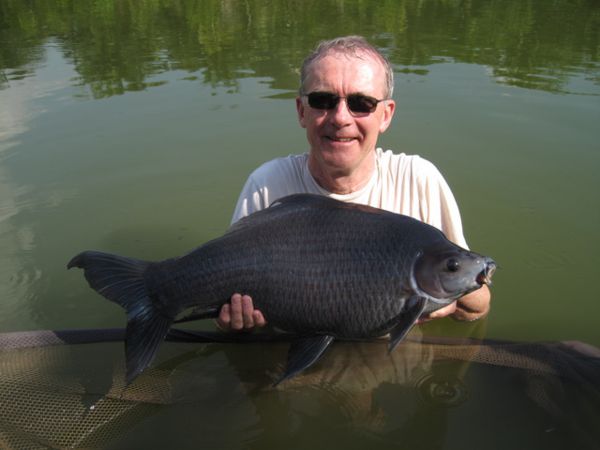
Black shark carp are very territorial and very aggressive towards other black sharks, and for this reason you will very rarely catch more than one in the same area. Takes will be very fast with no warning, and for a relatively small carp these fish fight hard, making short, jagged runs continually boring to the lakebed. As with all our carp once in the net they do not require any special attention, so just take all the normal precautions to ensure no harm comes to them. They have no sharp fins to worry about. They are very good at the photo stage, and as with all carp hold their pectoral fin as well as the wrist of their tail, and they will then keep reasonably still for the picture.
General facts on the black shark carp:
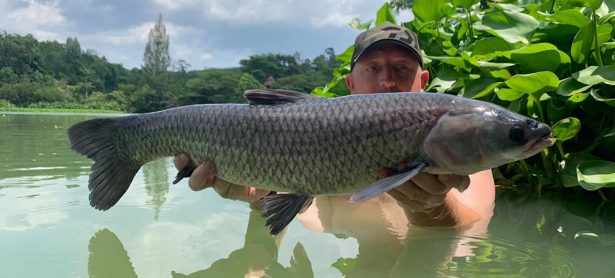
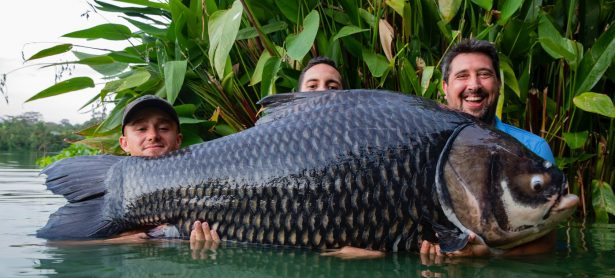
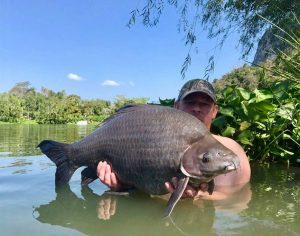
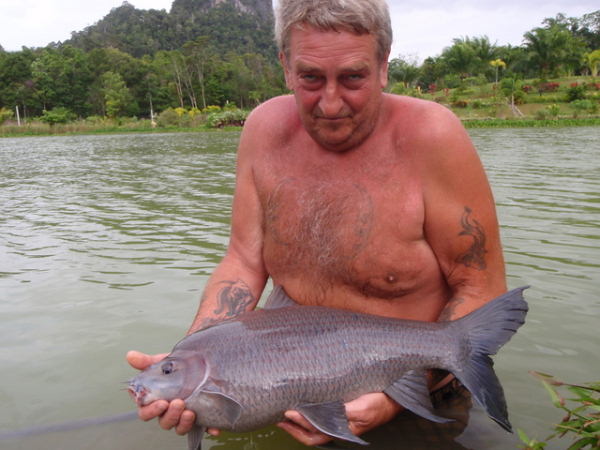
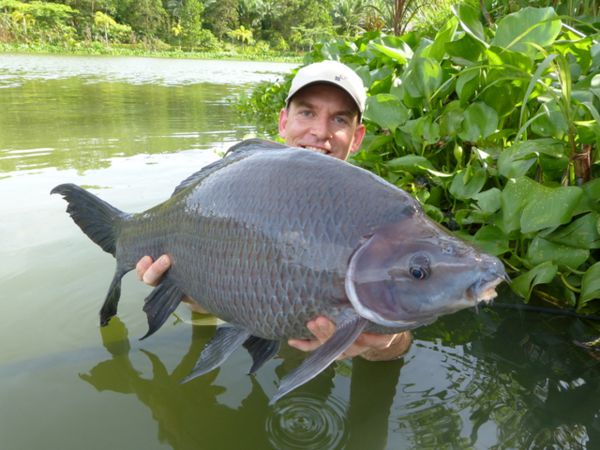
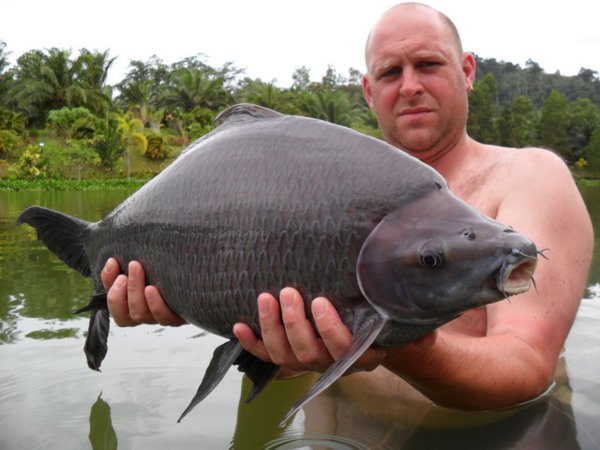
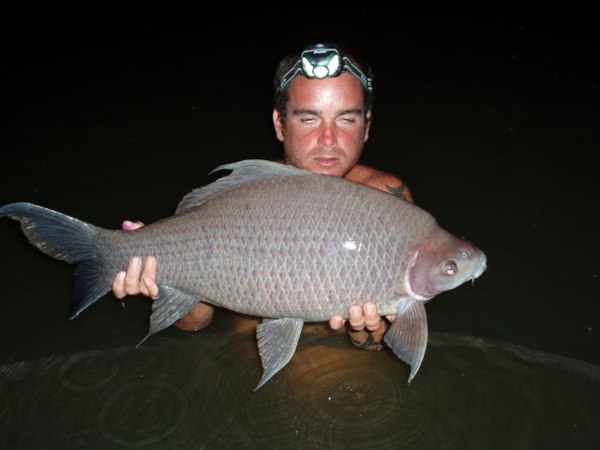
The black shark carp is native to Thailand in the Mekong and Chao Phraya river basins, into Laos and Cambodia. They are also found in Sumatra, Java, Borneo and the Malay Peninsula. The black shark is, as its name suggests, black, even down to its fins. They have a beautiful purple tinge to the edge of their scales plus a small purple dot on every scale. Pictures of this member of the carp family never do them justice, especially when the sun catches their scales. In the wild black shark carp live in rivers, streams, canals and floodplains.
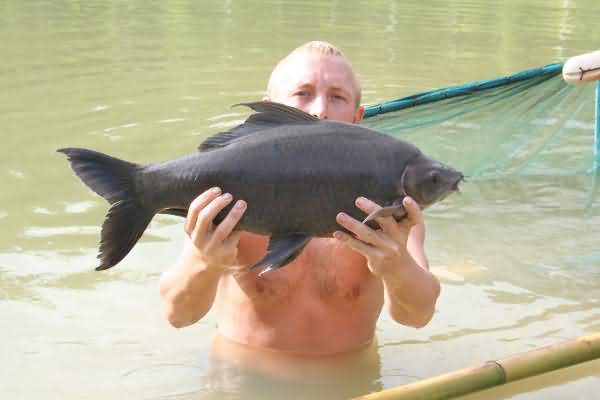
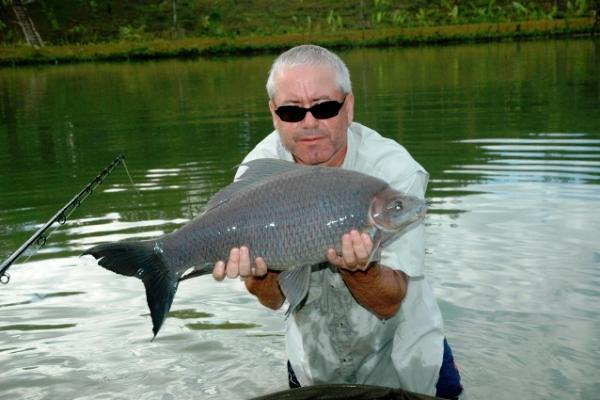
As with most Thai species, they begin spawning after the first thunderstorms of the coming rainy season in May. Black shark carp spawn upstream on shallow sandbars that line long river bends. The eggs settle in the shallow water and hatch just as the water levels begin to rise. The fry immediately move into the flooded grass along the bank and continue to follow as the floodwater spreads over the land. Adults also migrate out into seasonally flooded areas where they feed on algae, periphyton, phytoplankton and detritus. They return to rivers from October to December.
In Laos and Thailand they migrate upstream at the onset of the rainy season around May. In Cambodia they undertake upstream migration between October and March and downstream migration from March to August. Black shark are very territorial, and they become more aggressive towards other black sharks with age. The black shark carp is farmed in Asia as a desirable food fish, which is marketed fresh, dried and salted. When farmed, the black carp is converted onto food with more protein to encourage a faster growth rate. All the black shark carp at Gillhams are from farms, as this fish is endangered in the wild due to deforestation, dams and overfishing.